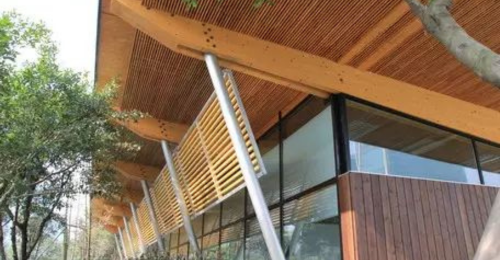


From the perspective of building structure, what kind of building structure is beneficial for earthquake prevention and disaster reduction?
From the seismic practices of buildings in countries such as Japan, the United States, and Canada, we can see that wooden structures have excellent seismic and disaster prevention effects, especially in Japan. As a country that frequently experiences earthquakes, Japanese buildings are mainly made of wooden structures. Even if the house is relocated during an earthquake, it will not collapse to a large extent, and the seismic performance of the house is good.
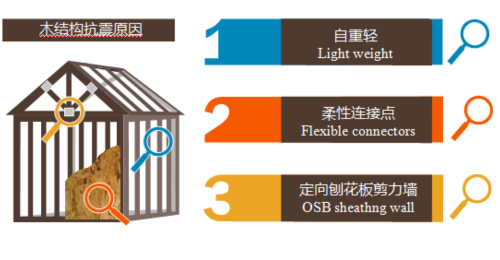
- The structural skeleton of a wooden house is a frame structure composed of wooden beams and columns (or wooden frames). The nodes between columns and beams are semi-rigid and semi-hinged. The bottom of the columns is directly placed on the stone foundation, embedded into the foundation’s grooves, or the wooden columns are made into shallow tenons and connected to the foundation. The wooden frame supports and transmits all the loads on the roof, while the wall only serves as an enclosure space. Under earthquake action, the friction and sliding energy dissipation at the tenon joint of the beam and column, and the sliding vibration reduction at the bottom of the column, form a good seismic isolation and energy dissipation structural system. Under small and medium earthquakes, the damage is relatively light.
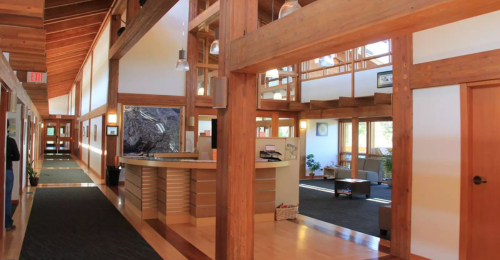
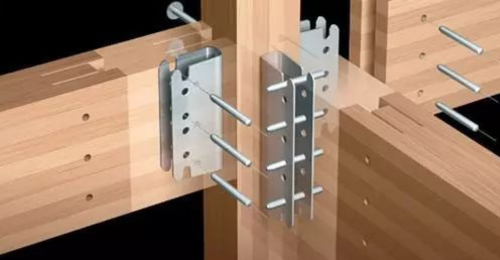
- In modern wooden houses, the connection of structural components is mostly made of metal connectors, and many nail connections are used during the construction process. When sudden loads or earthquakes occur, many connections allow the wooden structure to bend to absorb and dissipate energy. Hundreds of structural components and thousands of nail connections, once a load path fails, adjacent components and connections can supplement it, and there are also lateral seismic factors through nonstructural components such as interior decoration, partition walls, and various types of external coverings.
- Wooden structures have good load-bearing performance and ductility for instantaneous impact loads and periodic fatigue failures. Their failure process is a gradual yielding process, and when the house shakes during an earthquake, the wooden structure skeleton can still maintain the overall stability of the structure.